


Bonjour, hallo, and welcome! I’m Emeline, born, raised, and completely in love with Belgium. After years of helping friends, travelers, and online readers discover the very best of my little country, I decided to put everything I know on Fly Along.
Belgium might be small on the map, but it’s rich in culture, history, and flavors. From Gothic architecture and world-class museums to cozy cafés, canals, and breweries older than some countries, there’s truly something here for every type of traveler.
But I also know from experience that Belgium can be a bit confusing for first-time visitors, three official languages, a famously complex train system, and cultural quirks you’d never expect.
That’s exactly why I created this guide: to give you clear, trustworthy, insider information so you can arrive prepared, avoid common tourist mistakes, and make the most of your trip.
Essential Facts About Belgium
Before diving into the must-see cities and culinary treasures, it’s helpful to understand a few basics about Belgium — the kind of things that make your trip smoother and help you blend in like a local. As someone who has spent her whole life navigating the linguistic borders, quirky habits, and cultural richness of this country, here’s what every first-time visitor should know.
A Country With Three Languages
Belgium is officially trilingual:
- Dutch (Flemish) in the north (Flanders),
- French in the south (Wallonia),
- German in a small eastern region.
Brussels is a mix — officially bilingual (French/Dutch) but functionally multilingual thanks to its international population. Don’t worry if you don’t speak any of these languages: English is widely understood, especially in cities and tourist areas. Still, a simple bonjour or hallo always earns you a warm smile.
Currency: The Euro (€)
Belgium uses the Euro, and digital payments are extremely common. Most places accept card or contactless options, but it’s still smart to carry a bit of cash for small cafés, markets, or festivals where mobile terminals can be unpredictable.
Climate & Best Time to Visit
Belgium has a mild, maritime climate — meaning it can be sunny, rainy, cloudy, and windy… all in one afternoon. Locals joke that we experience four seasons in one day, and it’s surprisingly accurate.
- April to October is the most pleasant period for sightseeing.
- December is magical for Christmas markets, especially in Bruges, Brussels, and Liège.
Pack layers, comfortable shoes, and always keep a light rain jacket or umbrella close.
Local Etiquette & Cultural Norms
Belgians value politeness, punctuality, and personal space. Some quick tips:
- Always greet shopkeepers when entering and leaving.
- Tipping isn’t mandatory, as service is included, but leaving a small amount for good service is appreciated.
Getting to Belgium
Whether you’re flying in from overseas or hopping over from a neighboring country, Belgium is one of the easiest destinations in Europe to reach. As someone who often helps travelers plan their arrival routes, here are the practical essentials you should know before you touch down.
Arriving by Air
Belgium has several airports, but two matter most for first-time visitors:
✈️ Brussels Airport (Zaventem – BRU)
This is the main international gateway and the one I always recommend. It’s well-connected, efficient, and only about 20 minutes by train from Brussels Central Station. From here, you can reach any major Belgian city — Antwerp, Ghent, Bruges — in under an hour or two.
✈️ Brussels South Charleroi Airport (CRL)
This airport is popular with low-cost carriers like Ryanair. Just note that it’s farther from Brussels (about an hour by shuttle bus), so factor in the extra travel time.
Smaller airports exist in Antwerp, Liège, and Ostend, but they have very limited international traffic.
Arriving by Train
If you’re already in Europe, Belgium’s train connections are excellent, and honestly, often more comfortable and faster than flying.
- Eurostar connects Brussels with London in about 2 hours.
- Thalys (now part of Eurostar) links Belgium with Paris, Amsterdam, and Cologne at high speed.
- ICE trains run to Germany with smooth and reliable service.
All international trains arrive at Brussels-Midi (Zuid), the biggest station in the country and the main hub for onward travel.
Visa Requirements
Belgium is part of the Schengen Area, so:
- Travelers from the EU, UK, US, Canada, Australia, and many other countries can enter visa-free for short stays (up to 90 days).
- If you require a Schengen visa, Belgium follows standard EU procedures, nothing unusual, but make sure to apply early.
Good to Know Before You Arrive
- Belgium’s borders are open and easy to cross, driving from France to Belgium feels like passing from one neighborhood to another.
- Luggage handling at airports and stations is usually smooth, but always keep valuables close, especially in busy hubs like Brussels-Midi.
- If possible, arrive earlier in the day; Belgian public transport is reliable, but late-night connections can be limited outside big cities.
Getting Around
One of the things I love most about Belgium, and something many first-time visitors don’t expect, is how incredibly easy it is to move around. Our cities are compact, our train network is extensive, and distances are short. As a local who has crisscrossed the country more times than I can count, here’s exactly how to navigate Belgium smoothly and efficiently.
Traveling Between Cities: Trains (SNCB/NMBS)
Belgium’s national train company, SNCB, is the backbone of public transport here, and in my opinion, the best way to explore the country.
- Trains run frequently between all major cities.
- No reservations are needed for domestic routes.
- Stations are easy to navigate and usually centrally located.
For example, Brussels to Bruges takes about an hour, Brussels to Antwerp about 40 minutes, and Brussels to Ghent around 30 minutes, all direct. If you’re visiting multiple cities, trains will almost always be your fastest, most convenient option.
Insider tip: Avoid peak commuting hours (07:00–09:00 and 16:30–18:30) if possible, as trains can get crowded.
Public Transport Within Cities
Each region has its own system:
- Brussels: STIB/MIVB (metro, trams, buses)
- Flanders: De Lijn (trams & buses)
- Wallonia: TEC (buses)
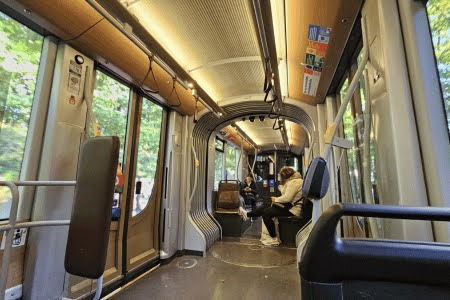
The good news? All systems are clean, reliable, and easy to use. Brussels’ metro is especially great for quick movement across the city, while cities like Antwerp and Ghent rely heavily on trams.
Local note: Belgian public transport apps are actually very good, I use them almost daily. They show real-time delays, platform changes, and the fastest routes.
Taxis & Ride-Sharing
Taxis are available in all major cities, but they’re not as common as in some other European capitals. Uber operates fully in Brussels and partially in Antwerp, but not in every region.
If you’re carrying luggage or traveling late at night, taxis are a comfortable option, just don’t expect to hail them from the street in smaller towns.
Renting a Car
Here’s the honest truth:
You don’t need a car to visit Belgian cities.
In fact, I often tell travelers not to rent one unless they want to explore:
- the Ardennes,
- small countryside villages,
- or cross into Luxembourg or northern France.
City parking can be expensive and tricky, and our roads… let’s say Belgian drivers have a reputation for being “creative.” Train travel will usually save you time, money, and stress.
Biking Around Belgium
Belgium is wonderfully bike-friendly, especially in Flanders.
- Cities like Ghent, Bruges, and Antwerp have dedicated bike lanes.
- Bike rentals are widely available and affordable.
For scenic routes along rivers or through the countryside, cycling is one of the most enjoyable ways to explore like a local , just remember it can rain unexpectedly, so pack accordingly.
Where to Stay
Choosing the right place to stay can make a huge difference in how you experience Belgium. Our cities may be close together, but each has its own personality, rhythm, and charm. As someone who has lived, worked, and wandered through every corner of this country, here’s my honest advice to help you pick the perfect base for your trip.
Best Areas to Stay in Brussels
Brussels has several neighborhoods, each with its own vibe. For first-timers, these are the ones I always recommend:
⭐ Historic Center (Grand Place area)
Perfect if you want to be right in the heart of things. You’ll be steps from iconic sights, restaurants, and museums. It does get busy, but it’s unbeatable for convenience.
⭐ Sainte-Catherine & Dansaert
Trendy, walkable, and full of great seafood restaurants, cafés, and concept stores. This is where I personally take friends when they visit.
⭐ European Quarter
Calmer, modern, and well connected by metro. Ideal for business travelers or anyone who prefers a quieter stay without being far from the action.
⭐ Ixelles & Saint-Gilles
If you love boutique hotels, beautiful architecture, and a more “local” feel, these two neighborhoods are wonderful. They’re also great for foodies.
Bruges vs. Ghent: Which to Choose?
This is one of the questions I get the most, so here’s the simple, local answer:
Bruges is romantic, postcard-perfect, and unforgettable, but also very touristy. If you want fairy-tale canals, horse-drawn carriages, and quiet evenings, it’s magical.
Ghent feels younger, more lived-in, and more authentic. It’s just as beautiful but with fewer crowds, a vibrant nightlife, and brilliant food culture. I always say Bruges is the dream, but Ghent is where you’ll want to stay longer.
Tip: If your schedule allows, stay one night in Bruges to enjoy the city after day-trippers leave. It becomes a different world.
Where to Stay in Antwerp
Antwerp is stylish, creative, and full of character. It’s also my favorite city for a weekend getaway.
- Historic Center: Best for sightseeing and first-time visitors.
- Het Zuid: Museums, galleries, and chic restaurants — very artsy, very Antwerp.
- Eilandje: Modern waterfront area with great food and the MAS museum; perfect if you love contemporary architecture.
Options for Every Budget
No matter where you stay, Belgium has good accommodation standards across the board.
Budget:
Hostels in Belgium are clean, well-located, and often surprisingly stylish. Cities like Ghent and Antwerp have especially good options.
Mid-Range:
This is Belgium’s sweet spot, plenty of boutique hotels, renovated townhouses, and charming B&Bs.
Luxury:
Belgium does understated luxury beautifully. Expect elegant historic buildings, gourmet breakfasts, and impeccable service.
Final Local Tip
Book early during:
- summer weekends,
- Christmas market season,
- and major festivals (like Gentse Feesten or Tomorrowland).
Rooms can fill up quickly, especially in smaller cities like Bruges.
Top Places to Visit
Belgium may be compact, but it’s packed with history, architecture, culture, and incredible food — often within just a few minutes’ walk of each other. These are the cities and sights I always recommend to first-time visitors, based on years of exploring my own backyard and helping others discover it.
Brussels
As the capital of both Belgium and Europe, Brussels is a blend of medieval charm, modern institutions, and international flair. Even if you only have a day here, these highlights never disappoint.
⭐ Grand Place
This UNESCO-listed square is, in my opinion, one of the most breathtaking in Europe. The gilded guild halls, the Town Hall, and the flower displays create a setting you’ll never forget — especially when illuminated at night.
⭐ Atomium
A symbol of futurism from the 1958 World Expo, the Atomium is part museum, part viewpoint. Go up for panoramic views or simply admire the architecture from below — both are impressive.
⭐ Royal Galleries & Museums
The Galeries Royales Saint-Hubert is perfect for a leisurely stroll, a chocolate tasting, or a coffee break under gorgeous glass ceilings.
Culture lovers shouldn’t miss museums like:
- The Magritte Museum
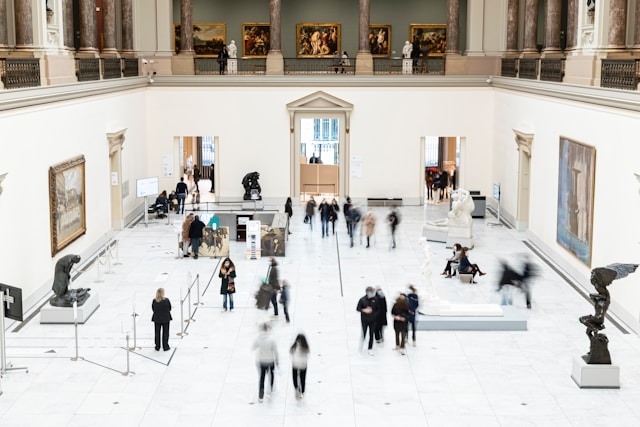
- The Royal Museum of Fine Arts
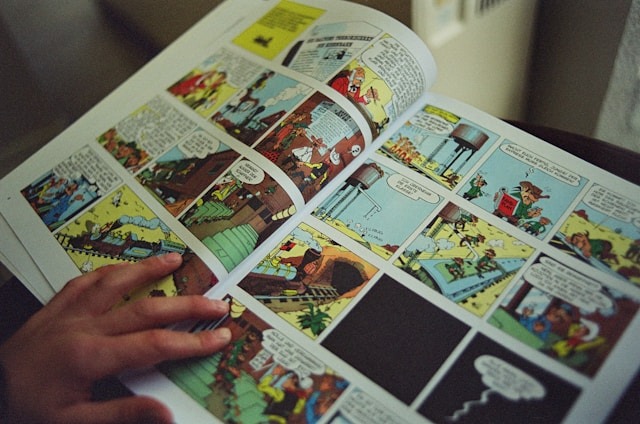
- The Comic Strip Center (a Belgian pride!)
⭐ European Quarter
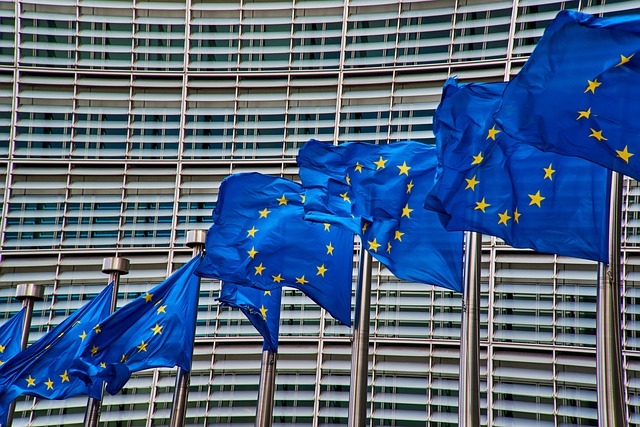
Even if you’re not interested in politics, this area is worth exploring for the parks, contemporary architecture, and relaxed cafés.
Bruges
Bruges is the closest thing to stepping into a medieval fairy tale. Cobblestone streets, canals, and picture-perfect squares make it one of the most romantic cities in Europe.
⭐ Belfry Tower
Climb the 366 steps for a stunning view of the red rooftops — it’s worth the effort.
⭐ Canals
Take a canal boat tour. Yes, it’s touristy, but it’s also one of the best ways to see the city’s beauty from a new perspective.
⭐ Historic Center
Wander without a plan. Bruges rewards slow travel: hidden courtyards, peaceful bridges, and charming shops at every corner.
Ghent
Ghent is where locals go to feel inspired. It’s lively, historic, artistic, and wonderfully real — less polished than Bruges, but more dynamic.
⭐ Gravensteen Castle
A medieval fortress right in the center of the city. The views from the top are fantastic, and the museum inside is surprisingly entertaining.
⭐ Old Town & Canals
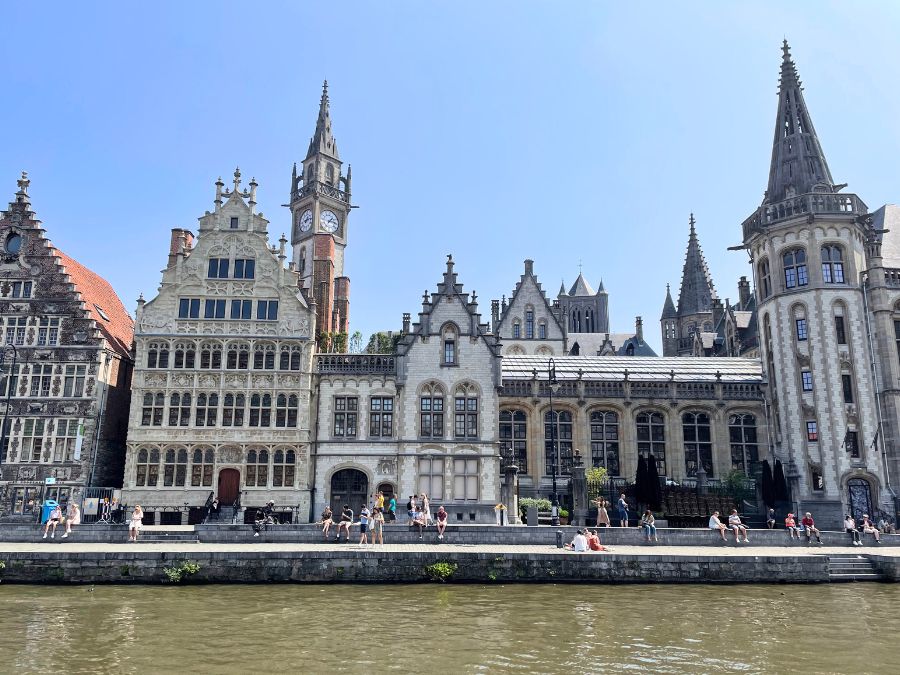
Ghent’s architecture is spectacular: guild houses, riverside cafés, and vibrant squares. I especially love strolling along Graslei and Korenlei at sunset.
⭐ Street Art Scene
Ghent embraces creativity. The Graffiti Street (Werregarenstraat) is constantly changing, and the city hosts murals from both Belgian and international artists.
Antwerp
Belgium’s fashion capital and one of Europe’s most creative cities. Antwerp is bold, stylish, and full of personality.
⭐ Cathedral of Our Lady
Home to masterpieces by Peter Paul Rubens — a must for art lovers.
⭐ Fashion District
Antwerp’s fashion scene is globally renowned thanks to the Antwerp Six. Discover boutiques, concept stores, and the MoMu Fashion Museum.
⭐ MAS & Port Area
The MAS (Museum aan de Stroom) combines great exhibitions with an incredible rooftop view of the harbor. The surrounding Eilandje district is perfect for dining and evening walks.
Other Worthwhile Destinations
Leuven
A vibrant university town filled with energy, beautiful squares, and world-class breweries. Leuven is especially lively in the evenings.
Mechelen
Often overlooked, but wonderfully charming. It’s quieter than Bruges or Ghent and perfect for travelers who want authentic Belgian life without big crowds.
Ardennes
For nature lovers, the Ardennes offer forests, rivers, castles, hiking trails, and cozy villages. It’s the place where many Belgians go to unwind.
Belgian Food & Drinks
If there’s one thing I always tell visitors, it’s this: come to Belgium hungry. Our country may be small, but our culinary culture is unbelievably rich, and as a Belgian who grew up surrounded by family recipes, food festivals, and weekend trips to chocolate shops, I can promise you that eating here is one of the highlights of any trip.
Must-Try Belgian Dishes
Here are the classics you absolutely shouldn’t leave without tasting:
Fries (Frites)
Let’s clear this up once and for all, fries are Belgian! They’re twice-fried for that perfect crunch, and served with a range of sauces (don’t just get ketchup; try andalouse, samurai, or classic mayo). Visit a real frituur for the most authentic experience.
Waffles
Belgium has two main types:
- Liège waffles – sweet, caramelized, chewy. My personal favorite.
- Brussels waffles – light, crispy, perfect with fruit or whipped cream.
Try both and decide which team you’re on!
Moules-Frites
A classic seaside dish: mussels cooked in white wine, herbs, or cream, served with a pile of golden fries. It’s delicious, comforting, and surprisingly light.
Stoofvlees (Flemish Stew)
A slow-cooked beef stew made with Belgian beer. Rich, hearty, and perfect for cooler days. You’ll find it on menus everywhere from traditional brasseries to modern bistros.
Belgian Chocolate
Belgium is world-famous for its chocolate and for good reason. The craftsmanship, quality of ingredients, and long-standing tradition create chocolates that are smooth, rich, and unforgettable.
A few places locals love:
- Neuhaus for classic pralines
- Pierre Marcolini for luxury creations
- Leonidas for affordable, good-quality treats
- Local artisanal shops in Bruges, Brussels, and Ghent for unique flavors
Belgian Beer
Beer is deeply woven into Belgian culture, we have over 1,500 varieties.
Even if you’re not a big beer drinker, there’s something for every palate:
- Trappist beers brewed by monks
- Lambics and geuzes, famous for their sour and complex flavors
- Belgian blondes and triples, spicy and aromatic
- Fruit beers, refreshing and light
Visit a traditional brown café (bruine kroeg) for an authentic tasting experience.
Vegetarian & Vegan Options
Contrary to the old stereotype, Belgium has become very veg-friendly in the past years. Cities like Ghent, in particular, are pioneers in vegetarian food. You’ll find everything from creative plant-based menus to classic dishes reimagined in vegan versions.
Tip: Look for “dagsoep” (daily soup) or “suggestie” menus, they often include veg options made with fresh seasonal ingredients.
Practical Tips for Tourists
These are the small but important details that can make your trip to Belgium smoother, cheaper, and much more enjoyable. After years of giving advice to visiting friends and readers, here are the practical tips I consider essential for first-time travelers.
Money, Payments & Tipping
Belgium is extremely card-friendly.
- Visa and Mastercard are accepted almost everywhere.
- Contactless payments (phone, watch, card) are the norm.
- Some small shops or markets may prefer Bancontact, our local payment system, but most now accept international cards too.
Tipping: Not required, but appreciated.
Service is already included in the bill, but rounding up or leaving 5–10% for excellent service is a nice gesture.
Safety
Belgium is generally very safe for tourists.
However, like any European destination:
- Watch your belongings in crowded places (especially around Brussels-Midi station).
- Avoid leaving bags unattended in cafés or trains.
- Stick to well-lit streets at night, especially in unfamiliar neighborhoods.
Belgians are typically helpful, if you need assistance, don’t hesitate to ask.
Useful Apps
These apps will save you time and confusion (trust me I use them daily):
- SNCB/NMBS app: For trains (live updates, platforms, delays).
- STIB/MIVB / De Lijn / TEC apps: For city transport.
- Google Maps: Very accurate for walking + public transport routes.
- Too Good To Go: Great for grabbing discounted leftover food from bakeries and restaurants.
- Bolt or Uber (Brussels): For quick rides.
Mobile Data & SIM Cards
Belgium has excellent mobile coverage.
If your phone plan doesn’t include EU roaming, grab a prepaid SIM from:
- Proximus,
- Orange,
- or Base.
Shops are easy to find in major stations and shopping streets, and activation is straightforward.
Opening Hours & Sunday Closures
This often surprises visitors:
- Many shops close early (around 18:00).
- Supermarkets may stay open until 20:00.
- Most shops are closed on Sundays, except in tourist areas and during special events.
Restaurants and cafés are usually open, but always check hours in advance.
Water & Toilets
- Tap water is safe, clean, and drinkable everywhere.
- Public toilets can be scarce; cafés often require a small purchase to use facilities.
Train stations have paid toilets (usually €1), so keep a coin on hand.
Weather Essentials
Belgian weather changes fast, really fast. Locals always carry:
- a light rain jacket,
- comfortable walking shoes,
- and a small umbrella.
Layering is your best friend here.
Cultural Etiquette
- Always greet with “bonjour” (French) or “hallo” (Dutch).
- Don’t assume which language someone speaks, English is the neutral choice.
- Belgians value quiet public behavior; loud conversations on trains or trams stand out quickly.
- Waiting your turn and being punctual is very appreciated.
Cultural & Social Insights
Belgium is a small country, but it’s culturally rich and surprisingly diverse. Understanding a few local habits and nuances will make your trip smoother, more enjoyable, and help you connect with locals, something I always encourage when sharing Belgium with visitors.
Politeness & Communication
Belgians are generally polite, reserved, and value personal space. Some key points:
- Always greet shopkeepers, waiters, or people entering a small business. A simple bonjour or hallo goes a long way.
- Avoid being overly loud in public, Belgian social norms favor a calm, friendly demeanor.
- Directness varies: in Flanders, people tend to be more straightforward, while in Wallonia, interactions are often softer and more diplomatic.
Regional Differences
Belgium is divided linguistically and culturally:
- Flanders (North): Dutch-speaking, efficient, modern, with a strong focus on business and cycling.
- Wallonia (South): French-speaking, slightly more relaxed, with a rich culinary and historical focus.
- Brussels: Bilingual (French/Dutch), but essentially cosmopolitan — most people speak English as well.
- German-speaking region: Small but unique, near the eastern border, with strong local traditions.
Understanding these differences helps you avoid awkward situations and shows respect to the locals.
Festivals & Holidays
Belgians love to celebrate, and festivals are a great way to experience local culture:
- Carnival of Binche: A UNESCO-recognized tradition in February/March.
- Gentse Feesten (Ghent): 10 days of music, theater, and street performances in July.
- Christmas Markets: Brussels, Bruges, Liège, magical experiences from late November to December.
- Tomorrowland (Boom): A world-famous electronic music festival in July, attracting visitors globally.
Public holidays may affect store and museum opening hours, so it’s worth checking in advance.
Avoiding Common Tourist Faux Pas
- Don’t assume everyone speaks French in Brussels or Dutch in Flanders, English is safest if unsure.
- Avoid asking locals to choose between Flemish or Walloon regions, it’s a sensitive cultural topic.
- Respect local customs in cafés and restaurants: standing at the bar to order is normal, but don’t just plop down at a table without checking if service is available.
Sample Itineraries
Planning your trip can be overwhelming, especially in a small but densely packed country like Belgium. As someone who has guided countless friends and travelers, I’ve put together sample itineraries for different lengths of stay. These are designed to balance sightseeing, food experiences, and local culture, while minimizing travel stress.
1-Day Brussels Highlights
If you only have one day in Belgium’s capital, focus on the essentials:
- Morning: Start at the Grand Place, then stroll through the Galeries Royales Saint-Hubert for chocolate and coffee.
- Midday: Lunch at a local café or try a plate of moules-frites.
- Afternoon: Visit the Atomium or one of the main museums (Magritte or Comic Strip Center).
- Evening: Walk through Sablon or Ixelles for dinner and a taste of Brussels nightlife.
3-Day Belgium Sampler (Brussels, Bruges, Ghent)
Day 1 – Brussels: Grand Place, Royal Galleries, Atomium, evening stroll in Sablon.
Day 2 – Bruges: Early train to Bruges, visit Belfry Tower, canals, and historic center. Enjoy a boat tour and dinner by the canal.
Day 3 – Ghent: Explore Gravensteen Castle, walk along Graslei & Korenlei, and discover the city’s street art scene. Return to Brussels in the evening.
7-Day Deeper Exploration
If you have a full week, you can explore Belgium like a local:
Day 1–2: Brussels – museums, Grand Place, European Quarter, and food tours.
Day 3: Bruges – canals, Belfry Tower, and local chocolate shops.
Day 4: Ghent – Gravensteen, Old Town, street art, evening by the canals.
Day 5: Antwerp – Cathedral, Fashion District, MAS museum, Eilandje district.
Day 6: Leuven – university town atmosphere, breweries, and historic squares.
Day 7: Ardennes – nature, hiking, and small villages for a peaceful finale.
Local Tip: Belgium’s train network makes these itineraries flexible, you can swap cities or add extra stops depending on your interests.
Budget Expectations
Understanding what things cost in Belgium can help you plan realistically and enjoy your trip without surprises. From my years of traveling across the country and helping first-time visitors, here’s a practical breakdown.
Accommodation
- Budget: €25–€50 per night in hostels or small guesthouses. Cities like Ghent and Antwerp have excellent, affordable options.
- Mid-Range: €70–€150 per night in boutique hotels or well-located B&Bs.
- Luxury: €200+ per night in high-end hotels, historic buildings, or design-focused properties.
Local Tip: Booking early, especially during summer, Christmas markets, or festivals, saves money and ensures the best locations.
Food & Drinks
- Breakfast / coffee & pastry: €3–€8
- Lunch (casual café or bistro): €10–€20
- Dinner (mid-range restaurant): €20–€40
- Belgian beer: €3–€6 per glass at a local bar
- Chocolate pralines: €1–€3 each, depending on the shop
Eating street food, at markets, or “menu of the day” specials can significantly reduce costs while still giving you an authentic experience.
Transportation
- City public transport day passes: €7–€10
- Train tickets (major cities, 2nd class): €10–€25 one-way
- Bike rentals: €10–€20 per day
Belgium’s train network is excellent and often cheaper than renting a car unless you’re exploring rural areas like the Ardennes.
Sightseeing & Attractions
- Many museums cost €10–€15 per entry.
- Castle entrances range from €8–€12.
- Some attractions, like walking through historic city centers, canals, or parks, are free.
Tip: City passes (like the Brussels Card or Ghent City Card) can save money if you plan to visit multiple museums and attractions in one city.
Saving Money
- Walk or bike when possible; Belgian cities are compact.
- Take advantage of early-bird tickets or combined museum passes.
- Eat like a local: bakeries, frituurs, and casual cafés offer excellent food for less.
Final Tips & Recommended Resources
After exploring Belgium thoroughly, these are my top tips to make your trip smoother, more enjoyable, and authentically Belgian. Think of this as the checklist I give all first-time visitors, things I’ve learned over years of living here.
Packing Suggestions
- Clothing: Pack layers, Belgium’s weather can change quickly, even in summer. Include a light rain jacket and comfortable walking shoes.
- Adapters: Belgium uses Type C and E plugs (230V, 50Hz).
- Reusable bag & water bottle: Many stores charge for bags, and tap water is safe to drink everywhere.
Transportation & Travel Resources
- Train Travel: SNCB/NMBS (domestic) – https://www.belgiantrain.be
- City Transport: STIB/MIVB (Brussels), De Lijn (Flanders), TEC (Wallonia)
- Bike Rentals: Check local city websites; Ghent and Bruges are very bike-friendly
Tourist Passes
- Brussels Card: Includes museums, public transport discounts, and priority access.
- Ghent City Card: Museum entries, canal tours, and public transport included.
- Combined tickets: Many attractions offer bundled tickets, worth checking online in advance.
Cultural Tips
- Greet with bonjour or hallo, depending on the region.
- Be patient with multilingual signage, it’s normal in Belgium!
- Respect public quietness, especially on public transport.
- Sundays are generally quiet: shops may be closed, but museums and attractions in tourist areas are open.
Final Advice
- Don’t rush, Belgium is small, but each city deserves time to explore.
- Try local specialties in each region; food is one of the best ways to experience Belgian culture.
- Embrace local insights: talk to people, explore hidden streets, and don’t just stick to the main squares.
Belgium has so much to offer for first-time visitors, from its historic cities and picturesque canals to world-class chocolate, beer, and welcoming locals. With a little preparation and an open mind, your trip will be smooth, rich in experiences, and unforgettable.
0 reacties